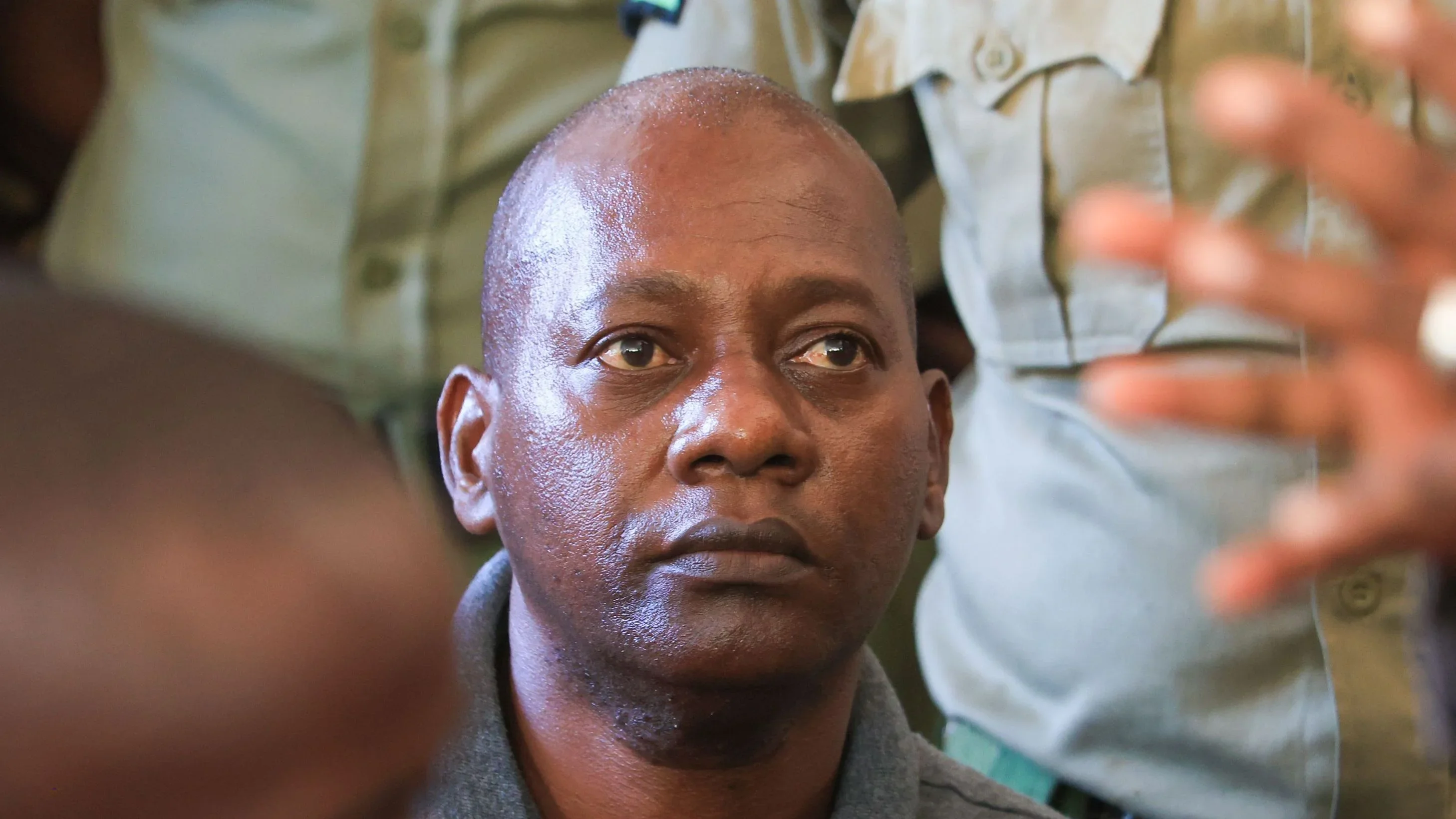
Paul Mackenzie Sentenced to 200 Years in Prison Over Shakahola Massacre
The self-proclaimed preacher was handed the lengthy sentence for the murders of 190 children and one adult after a court found that he orchestrated a system of religious radicalisation and enforced fasting in Kilifi County.
Nairobi, Kenya | November 6, 2026
Self-proclaimed preacher Paul Nthenge Mackenzie has been sentenced to a total of 200 years in prison for his role in the deaths of 191 people in the Shakahola massacre, marking a major development in one of Kenya’s deadliest cases of religious extremism.
The Mombasa High Court delivered the sentence on Friday, November 6, following Mackenzie's conviction last month on 191 counts of murder involving 190 children and one adult.
Justice Diana Kavedza Mochache handed Mackenzie 100 years for murder by starvation and a further 100 years for murder by direct homicide. The two sentences will run consecutively, bringing his aggregate prison term to 200 years.
The first 100-year sentence covers 183 counts of murder by starvation involving 182 children and one adult. The second covers eight counts of direct homicide involving children. The sentences within each category will run concurrently.
The court found that Mackenzie, who led the Good News International Church, bore primary responsibility for orchestrating a system of religious radicalisation and enforced fasting that resulted in the deaths of his followers.
According to the prosecution, Mackenzie used religious teachings to convince followers that starving themselves and their children would enable them to meet Jesus before the end of the world.
Followers were reportedly instructed to begin fasting with children, followed by young people, women and men. The court heard that Mackenzie and his associates enforced the directives through intimidation, beatings, confinement and withholding food and water from those who attempted to resist.
In its findings, the court described the killings as calculated and devastating, noting that vulnerable followers, particularly children, had been subjected to extreme suffering under the guise of religious beliefs.
Twenty-eight co-accused persons were also sentenced after being convicted alongside Mackenzie. Their prison terms ranged from 10 to 160 years, depending on their individual roles and levels of responsibility in the crimes.
The prosecution had urged the court to impose the death penalty on Mackenzie, arguing that the scale and seriousness of the killings warranted the harshest punishment available.
However, Justice Kavedza Mochache declined the request, reasoning that execution could be perceived by the convicts as a form of deliverance or martyrdom because of their belief that death would reunite them with Jesus and their deceased relatives.
The judge observed that such a punishment might fail to deter individuals who regarded death as a pathway to heaven.
She also considered the possibility of rehabilitation and the importance of keeping the convicts alive to provide information about victims whose remains have not been recovered.
The court noted that families were still waiting for answers about missing relatives and that executing those convicted could eliminate an opportunity to establish the whereabouts of their loved ones.
Mackenzie had denied forcing his followers to starve, maintaining that their actions were voluntary. However, the court rejected his defence after considering testimony from survivors, forensic findings, medical evidence and other material presented during the trial.
The judgment found that the deaths resulted from an organised system in which religious teachings and a structured hierarchy were used to direct and enforce deadly fasting.
It also established that children could not meaningfully consent to being deprived of food and water until death. The court further emphasised the responsibility of parents and guardians to protect children rather than expose them to fatal religious practices.
The 28 co-accused were found to have played different roles in the operation, including enforcing fasting instructions, guarding followers and helping conceal bodies.
The Shakahola massacre remains one of the darkest chapters in Kenya's recent history, with families still seeking answers about missing relatives and the full extent of the deaths.