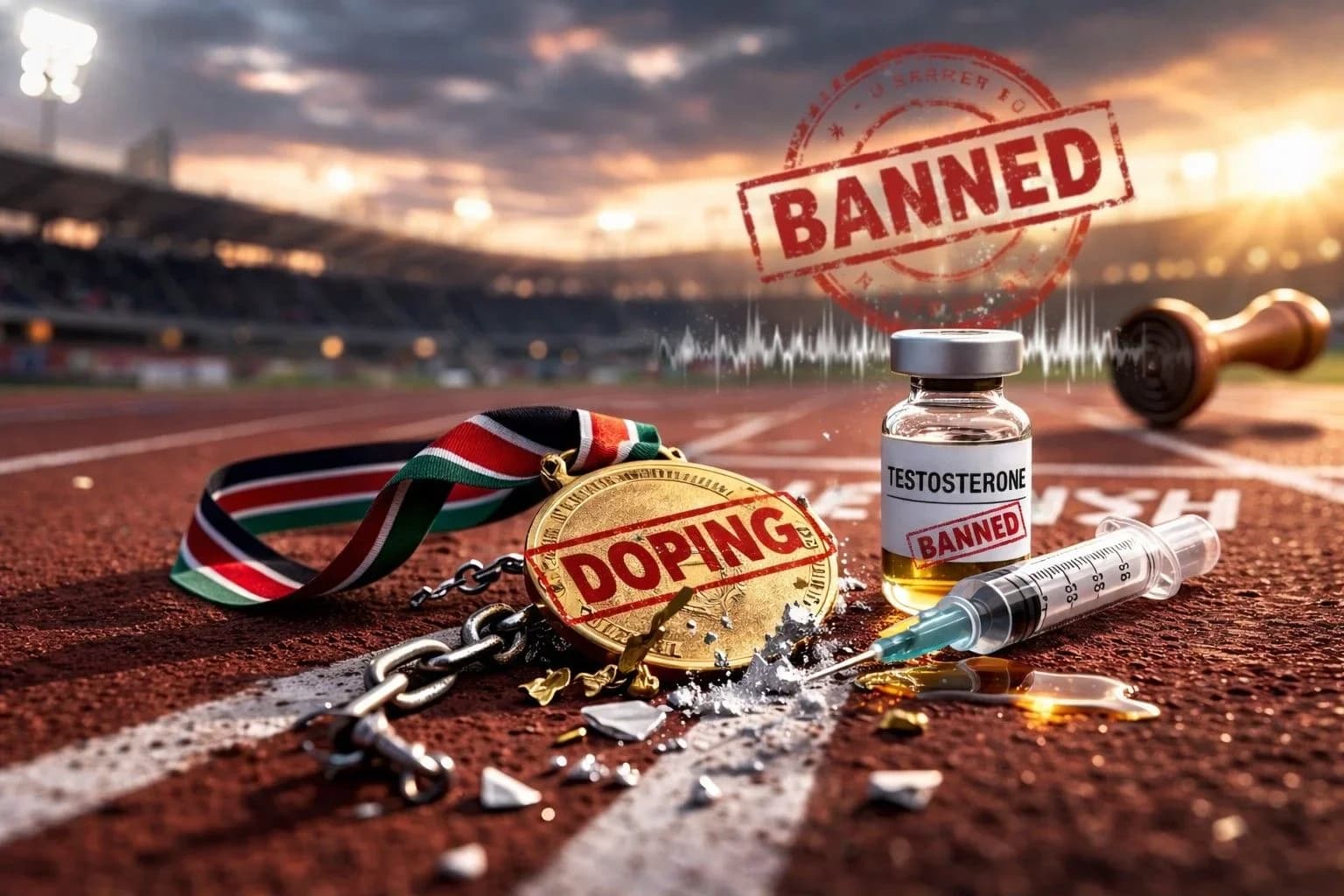
Carren Chelagat Handed Four-Year Ban Over Anti-Doping Rule Violation
The Kenyan long-distance runner has been suspended for four years following an adverse analytical finding for norandrosterone.
Nairobi, Kenya | September 8, 2026
Kenyan long-distance runner Carren Chelagat has been handed a four-year ban from athletics following an adverse analytical finding for norandrosterone, a substance prohibited under anti-doping regulations.
The suspension follows the analysis of a sample provided by the athlete, which reportedly returned an adverse finding for norandrosterone. The result subsequently led to disciplinary proceedings and the imposition of a four-year period of ineligibility.
Norandrosterone is a metabolite of nandrolone, an anabolic-androgenic steroid prohibited under anti-doping rules. The presence of a prohibited anabolic agent or its relevant metabolites in an athlete’s sample can constitute an anti-doping rule violation under the applicable regulations.
The four-year suspension represents a major setback for Chelagat’s athletics career, ruling her out of sanctioned competitions for the duration of the ban unless the decision is successfully challenged through the applicable appeals process.
An adverse analytical finding does not, by itself, establish how or why a prohibited substance entered an athlete’s body. The circumstances of each case are considered under the applicable anti-doping rules and disciplinary procedures.
Chelagat’s case comes amid continued efforts by anti-doping authorities to strengthen testing and enforcement in Kenyan athletics and ensure athletes comply with international anti-doping regulations.
The case also highlights the principle of strict liability in anti-doping rules, under which athletes are generally responsible for prohibited substances found in their samples, regardless of how the substance entered their bodies, subject to the applicable rules and available defences.
The four-year ban will keep Chelagat out of competitive athletics for a significant period as she considers her next steps and any options available to her under the relevant anti-doping procedures.