Bomas Billions Under Scrutiny as Sh45.1 Billion Project Raises Cost and Contract Questions
Fresh details from a 390-page construction contract have intensified questions over the rising cost, procurement process and limited public access to key documents relating to the Bomas International Convention Complex.
Nairobi, Kenya | November 2, 2026
The Bomas International Convention Complex project has come under renewed scrutiny after details from a 390-page construction contract raised questions over its costs, procurement arrangements and provisions worth billions of shillings.
The overall project cost is currently estimated at about Sh45.1 billion, up from the approximately Sh31.7 billion figure approved when the project was initially sanctioned in 2023. The current construction and equipping contract with China Road and Bridge Corporation (CRBC), however, is valued at approximately Sh41.9 billion.
The distinction between the wider project cost and the main construction contract has become part of the scrutiny, with Parliament seeking documents explaining how the project's financial commitments have evolved and what accounts for the additional costs.
The latest concerns followed the emergence of details from the contract, which had been sought by Parliament for months. Reports based on the document have highlighted approximately Sh2.57 billion in additional sums covering areas including design, security and provisional allocations.
The provisions have prompted questions over how the amounts were calculated, what specific works or services they cover and how they will ultimately be accounted for. Their inclusion in the contract does not, on its own, establish wrongdoing, but legislators and oversight bodies are seeking greater clarity over the allocations.
The Ministry of Tourism owns the project and oversees its funding, but key procurement and contracting responsibilities were delegated to the Ministry of Defence. The Defence ministry therefore holds the principal construction contract and related procurement records.
The arrangement has frustrated parliamentary oversight, with senators demanding access to the contract, financing agreements, budgets, payment records, technical reports, bills of quantities and information on any variations to the project.
The Auditor-General has previously raised concerns over the procurement process. In an audit of the Ministry of Defence for the year ended June 30, 2025, Auditor-General Nancy Gathungu found that approval for direct procurement was granted on February 17, 2025, after procurement proceedings had already begun.
Tender invitation documents and a site visit certificate had been dated February 13 and 14 respectively, prompting the Auditor-General to conclude that the sequence was contrary to provisions of the Public Procurement and Asset Disposal Act.
The audit also identified a mismatch between the contract's payment arrangements and the financing plan approved by the National Treasury. The construction contract provided for repayment through nine instalments over 24 months, while the Treasury-approved financing arrangement provided for deferred payment over 10 years.
The Auditor-General warned that delays in making payments could expose the government to penalties and additional charges.
The current CRBC contract was signed in March 2025 and is valued at approximately Sh41.9 billion, with a 24-month implementation period.
Before CRBC took over the project, Turkish firm Summa Turizm Yatirimciligi had been awarded an earlier tender in 2023 at approximately US$245 million, equivalent to about Sh31.7 billion at the time. The award was later terminated amid changes to the project's scope and financing arrangements.
Summa challenged the termination before the Public Procurement Administrative Review Board, which ruled in December 2024 that the termination had been irregular and directed the procuring entity to proceed with the procurement process.
The earlier award did not, however, become the construction contract now being implemented. The subsequent CRBC agreement resulted in a substantially higher contract value, making the differences between the two arrangements a key part of the current scrutiny.
Members of Parliament have also questioned whether the project's costs represent value for money and whether the facility can be completed within the revised timelines.
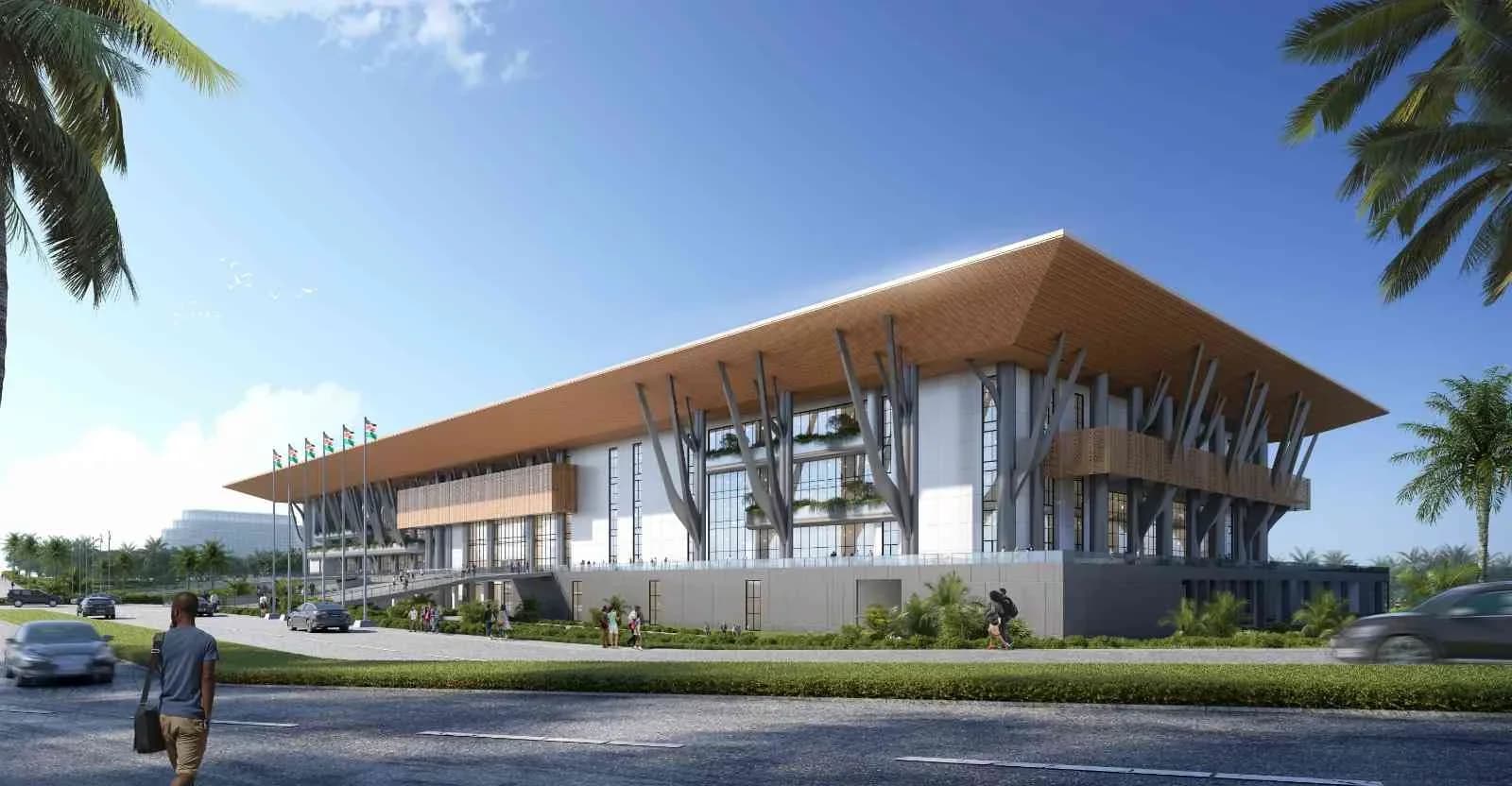
The Bomas International Convention Complex is intended to provide a major international conference and exhibition facility with capacity for approximately 11,000 delegates. The government has presented the development as an investment in Kenya's meetings, incentives, conferences and exhibitions sector, with the potential to attract major international events and strengthen Nairobi's position as a regional business destination.
However, attention has increasingly shifted from the project's intended economic benefits to questions surrounding procurement, financing and transparency.
The latest contract revelations have added pressure on the government to explain the project's rising financial commitments, particularly the difference between the original Sh31.7 billion estimate, the current Sh41.9 billion construction contract and the wider Sh45.1 billion project figure.
For taxpayers and parliamentary oversight bodies, the key issue now is whether the relevant agencies can provide a complete account of the project's costs, contractual provisions and procurement decisions.
As Parliament continues seeking access to the documents, scrutiny is expected to focus on how the project was procured, how its cost increased and whether the final expenditure represents value for public money.